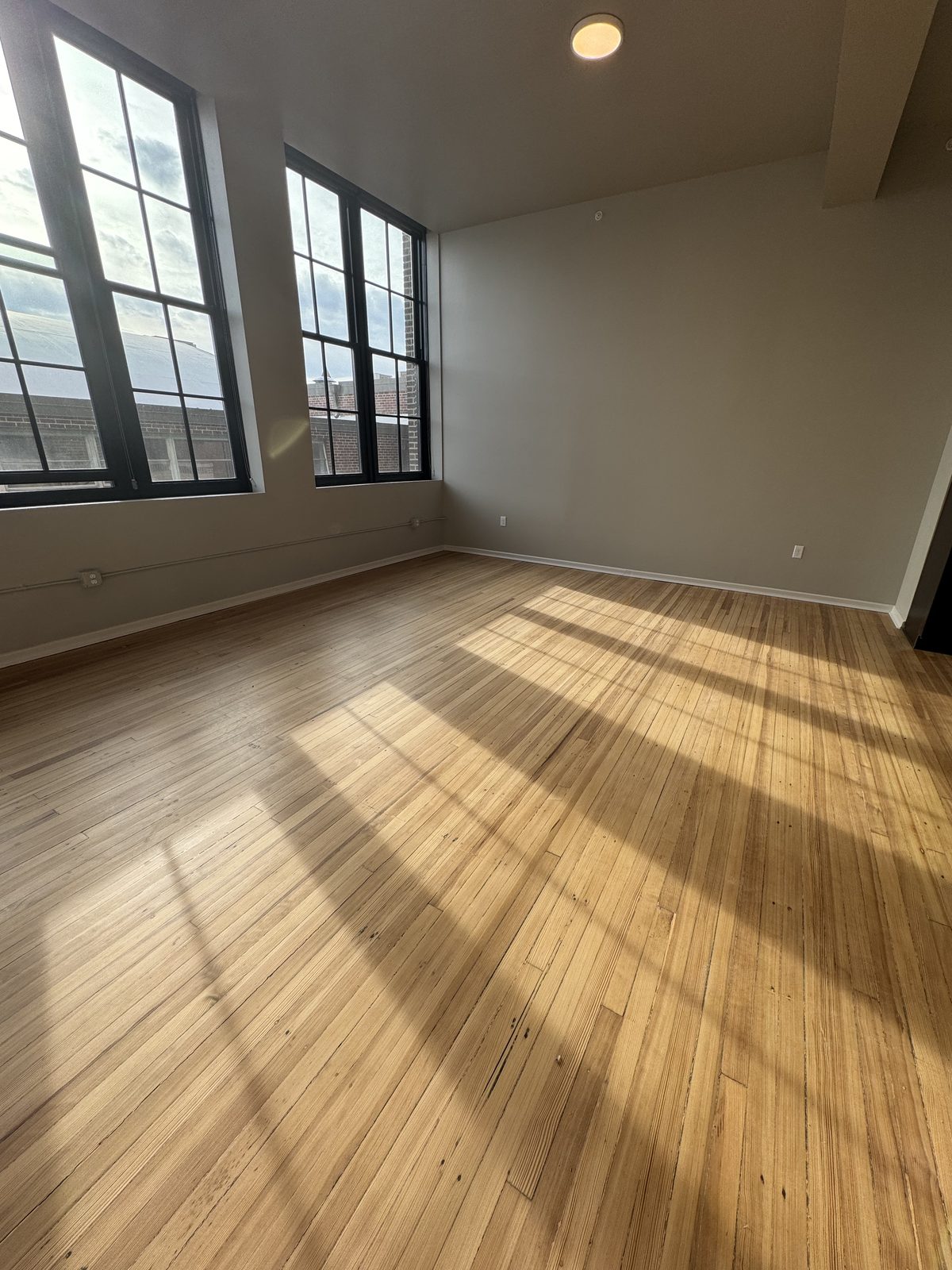
Historic buildings are where affordable housing and adaptive reuse meet.
Downtown YMCAs. Closed schools. Turn-of-the-century hotels. Old mills and warehouses. In every city and small town in Riverstone's footprint, these buildings share a story: they shaped a community, they outlived their original use, and they now sit vacant — too expensive to save, too meaningful to demolish. The Historic Tax Credit program exists to change that calculus. Paired with LIHTC, it becomes one of the most powerful capital tools in the affordable housing industry.
The mechanics are straightforward in principle and unforgiving in practice. Federal HTC generates equity equal to 20% of qualified rehabilitation expenditures — roughly the amount that makes the difference between a pro forma that works and one that doesn't. LIHTC delivers the bulk of the equity stack. State historic and affordable housing credits, where they exist, fill the remaining gap. The challenge isn't the concept. It's executing three simultaneous compliance regimes — National Park Service, state HFA, and state SHPO — on a building that was never designed for residential use and has been sitting empty for a decade.
What follows is a practitioner's walkthrough of the stack — how federal HTC interacts with LIHTC, where the state layers come in, what the basis adjustment means for deal sizing, and how Riverstone has executed this structure on two projects that bookend the rural-to-urban spectrum.